LoL · Riot Games · 2009
League of Legends
The quintessential MOBA: 5v5, tier-1 esports, constantly evolving meta
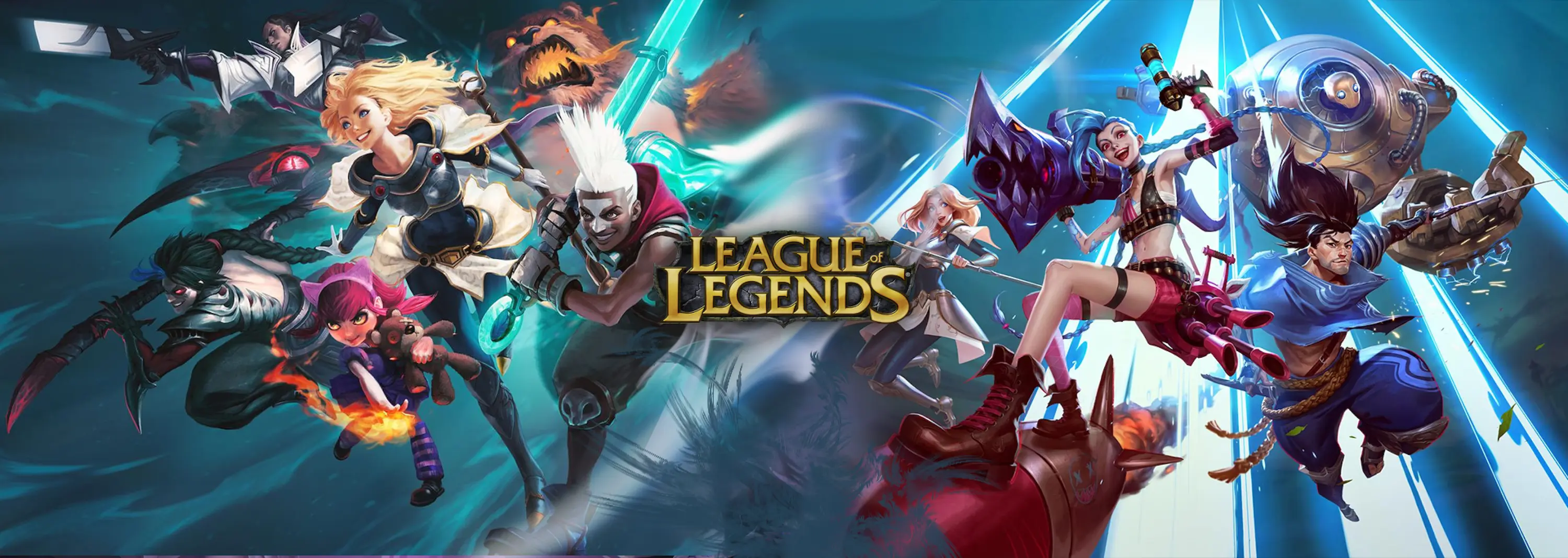
Competitive 5v5 MOBA developed by Riot Games since 2009, genre leader and global esports flagship with hundreds of champions and constantly evolving meta.
Tools
18Match history
3

Champion builds
1
Coaching & improvement
1
Live analysis
1


Draft analysis
1
Esports database
1
Wikis & reference
1
Progression tracker
1

Comparisons
4Blitz.ggvsOP.GG
Use OP.GG when you only want to look up match history from the browser without installing anything: rank, per-champion stats, tier lists, and quick scouting. Use Blitz.gg when you want a desktop app to actively assist you in-game with one-click build/rune import, overlay, and post-game dashboard, accepting the heavy client, aggressive paywall, and broad telemetry.
OP.GGvsMobalytics
OP.GG when you just need a fast lookup: rank, match history, opponent scouting, and current-patch tier lists, with no login or install. Mobalytics when your goal is structured improvement: the GPI diagnoses which areas to work on and proposes a plan, in exchange for creating an account and tolerating a pedagogical layer that's overhead for a quick check.
Probuilds.netvsU.GG
Probuilds.net to see what pros actually built in their recent real matches, especially on freshly shipped patches where aggregated data hasn't stabilized yet. U.GG for the optimized build for your rank, with runes, counters, and tier lists in a clean view. Most players live in U.GG and open Probuilds.net only to get ahead of the meta.
U.GGvsOP.GG
U.GG when the question starts with a champion: what to build, which runes, which counters for this matchup. OP.GG when it starts with an account: reviewing your match history, scouting teammates or opponents, or tracking rank progress. They overlap on tier lists and per-champion stats, but each optimizes a different entry point.
Tool stacks
1Latest news
Creators
5
Caedrel
British ex-pro (jungler) who pivoted to professional casting and then the LEC co-streaming model. Has one of the largest LoL audiences on Twitch, especially during European league seasons. His read of the game is accessible but technical — explains strategic decisions in real time with enthusiastic and honest tone. For esports fans wanting more than the official broadcast, Caedrel is default.

LS
Analyst and ex-coach with one of the most respected (and polarizing) reads in competitive LoL. His draft analysis, tier lists, and meta decisions are referenced by pros and professional casters. The tone is direct and unfiltered — some in the scene find it too aggressive, others defend it as necessary honesty in a complacency-filled space. For audiences valuing strong technical analysis, mandatory reference with the editorial caveat about a divisive style.

Necrit
Specialist in LoL lore and the Runeterra universe. Covers champion stories, regions, narrative events of each season, and official cinematics with deep analysis. Polish, maintains regular cadence on YouTube with long deep-dive videos. For players coming from the game's narrative side (Arcane, comics, novels) and wanting extended context, it's the central reference — deeper than any official Riot source.
Skill Capped
Educational platform with one of the largest YouTube channels dedicated to LoL guides. The operation is a professional team, not an individual creator: they produce short videos (5-10 min) covering champion tutorials, macro strategy, ranked tips, and meta updates with near-daily cadence. The channel is the free entry point to their paid product (courses on skill-capped.com). For players who learn better with directed clips than long streams, a useful reference.

Werlyb
Spanish LoL ex-pro (top laner) with stints on teams like Origen, Movistar Riders, and others. Today he's one of the most recognized Spanish-speaking streamers and content creators in the LoL scene. His main content is ranked grind streams with technical commentary, and occasional analysis videos. Accessible and honest tone, pro perspective from an actual European-scene player. For Spanish-speaking LoL audience, central reference.
Resources
Beginner guides
Entry resources for new players: roles, basic mechanics, first champions.
5 resources
Champion guides
Champion-specific guides: matchups, combos, builds, and advanced tips.
5 resources
Patch coverage
Analysis of balance changes, items, runes, and meta shifts every two weeks.
5 resources
Esports coverage
LCK, LPL, LEC, LCS, MSI, and Worlds: analysis, predictions, recaps, and interviews.
5 resources
Ranked improvement
Resources for climbing elo: macro game, mindset, climbing strategies, and match reviews.
5 resources
About the game
What it is
League of Legends is a MOBA (Multiplayer Online Battle Arena) developed and published by Riot Games, launched in 2009. After more than 15 years of operation, it remains the most played online competitive game in the world and the foundation of the largest esports scene alongside Counter-Strike and Dota 2.
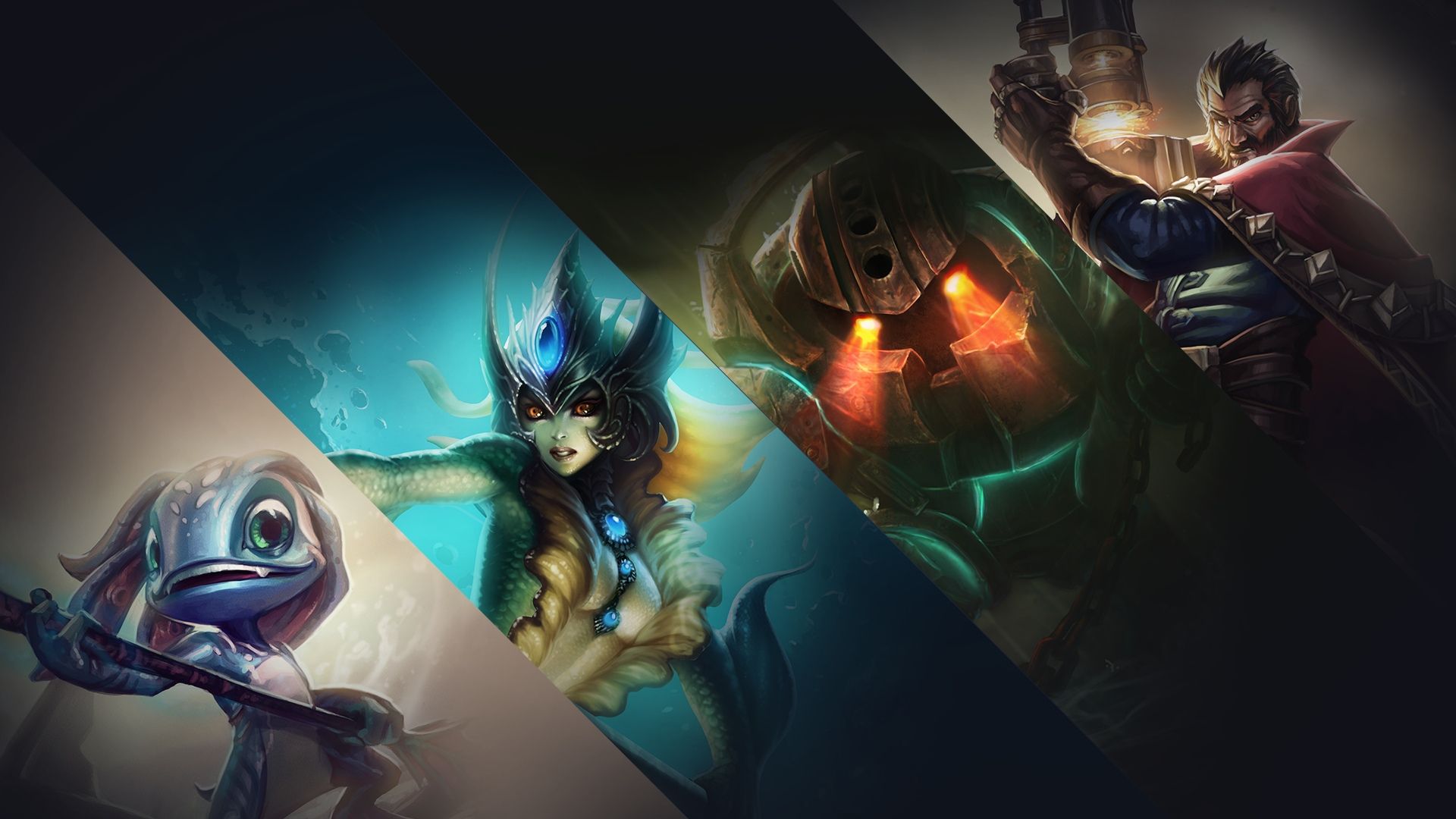
The game pits two teams of five players who each control a unique champion chosen from a roster of 160+ options. The main objective is to destroy the enemy Nexus, a structure located in the opposing base, by breaking through defensive lines while managing in-game economy (gold), experience, map control, and team fights.
Each match typically lasts 25-40 minutes and starts from scratch: all players begin at the same level without items and must build their power through farming minions, kills, map objectives (dragons, Baron Nashor, towers), and strategic rotations.
Main features
Free-to-play with no pay-to-win: LoL's monetization model is paradigmatic. All content affecting gameplay (champions, runes, items, maps) is completely free. Monetization focuses on cosmetics (skins) that change appearance but not stats, and on optional premium passes (Battle Pass with additional rewards). There's no legitimate way to "pay to win" in LoL.
Roster of 160+ champions: each with unique ability kit, designated role (top, jungle, mid, ADC, support), and distinct gameplay archetype. The mechanical diversity between champions is enormous: from tanks with low damage and high survivability to explosive assassins, control mages, sustained DPS marksmen, and enchanter supports.
Rune system: each champion uses a configurable rune page providing stats and passive effects. There are 5 main trees (Precision, Domination, Sorcery, Resolve, Inspiration) and optimal configuration changes based on champion, role, and matchup.
Ranked system: competitive queue with divisions (Iron, Bronze, Silver, Gold, Platinum, Emerald, Diamond, Master, Grandmaster, Challenger). Each split of the year has fresh rankings, end-of-season rewards, and own competitive meta.
Patches every 2 weeks: Riot launches balance changes regularly, adjusting champions, items, and mechanics. This keeps the meta constantly evolving — champions that were strong can fall into obsolescence, others emerge as dominant. Staying updated with the meta is part of the experience.
Varied game modes: besides the main mode (Summoner's Rift 5v5), there are rotating modes (ARAM, URF, One for All, Arena, Nexus Blitz), competitive modes (TFT as separate game), and limited events with unique rules.
Top-tier esports: League of Legends Champions Korea (LCK), League of Legends European Championship (LEC), League Championship Series (LCS), and League of Legends Pro League (LPL) are professional leagues with international tournaments (Worlds, MSI) attracting massive audiences. Pro players are recognized public figures.
The tool ecosystem
LoL has one of the most mature gaming tool ecosystems in the world, mainly because of:
Public data via Riot API: Riot Games provides official free API any developer can use. This democratizes data-driven tool creation. Match history, stats, performance metrics — all accessible programmatically.
Massive match volume: with millions of daily matches, there's enough statistical data for deep meta analysis, win rates, pick rates, optimal build paths.
Intense competitive community: the "rank climbing" culture generates constant demand for tools that help improvement. Match analyzers, build optimizers, coaching apps — all have active audience.
Esports professionalization: professional teams need serious analysis tools. This raises overall quality of available tools.
The most common tool types in LoL are:
Match history and performance trackers (op.gg, U.GG).
Build optimizers and champion guides (Mobalytics, Lolalytics).
Probuilds (builds used by professional pros).
Coaching and improvement platforms.
Draft analysis for competitive.
Aggregated global game stats.
Overlay tools during matches.
Esports tracking and team analytics.
Who this game is for
Good for: players who enjoy intense competition with constant improvement curve, team game fans who value coordination, people with patience for steep learning curve (first 100 levels are frustrating while learning basic mechanics), audience interested in esports, players who appreciate strategic depth and evolving meta.
Not the best option for: casual players without time for 30-40 minute sessions, people who prefer persistent progression vs matches that restart (each match is independent), gamers who value deep narrative integrated to gameplay (LoL has extensive lore but separated from competitive gameplay), audience who gets frustrated with teamwork dependency (4 random teammates can greatly affect experience).
The importance of meta
LoL is a game where "meta" (Most Effective Tactics Available) is central factor of the experience. Meta changes with each significant patch and includes:
Champion meta: which champions are strong in current version. Some champions dominate, others fall into obsolescence. Climbing rank is easier with meta-relevant champions.
Item meta: which builds are optimal. Riot adjusts items regularly, and builds that were S-tier can become mid-tier in a patch.
Strategic meta: how the map is played. Some seasons favor aggressive early game, others emphasize late game scaling. Map objectives (specific Dragons, Baron control) vary in importance.
Pro meta vs Solo Queue meta: what's played in professional tournaments isn't necessarily optimal in regular matches. Tools like Probuilds document both.
Staying updated with the meta requires regularly consulting stats tools, reading patch notes, and eventually developing intuition about changes. It's part of the inherent experience of the game.
Learning curve
LoL has justified reputation for high entry barrier. Main components:
Basic mechanics (first 50 levels): learning what each ability does, how to last-hit minions, when to back to base, basic line and jungle concepts.
Macro game (levels 50-150): rotations, vision control with wards, map objectives, team communication, decision of when to fight team fights.
Micro mechanical optimization (level 150+): animation cancels, optimal kiting, juke patterns, decision making in milliseconds.
Champion-specific mastery: each champion requires dedicated practice. Mains typically specialize in 2-3 main champions.
Meta awareness: reading patch notes, understanding trends, adapting to changes.
For serious beginners, the first 100 levels are significant investment. Tools like Mobalytics or op.gg builds accelerate this learning by giving initial templates while you develop your own understanding.
Why it remains relevant
More than 15 years after its launch, LoL maintains relevance because of:
Constant updates: Riot continuously invests in patches, new champions (3-5 per year), reworks of old champions, systemic changes. The game of 2026 is very different from that of 2015.
Esports as cultural engine: Worlds (world championship) each year generates iconic moments that renew interest. The narrative of professional teams and players attracts audience that also plays.
Established community: decades of players means friend groups playing together, constant streamer/creator content, active Discord communities.
Sustainable F2P model: zero entry barrier, fair monetization, maintains constant influx of new players.
Spinoffs that feed back: Wild Rift (mobile), TFT, Arcane (Netflix series), Legends of Runeterra (card game). The universe expands and attracts new audiences to the main game.
For someone considering entering LoL in 2026, the ecosystem is mature, tools are robust, and educational content is abundant. The learning curve is still steep, but available resources to overcome it have never been better.