Valorant · Riot Games · 2020
Valorant
Riot's tactical FPS: 5v5 with abilities, precise gunplay, and tier-1 esports
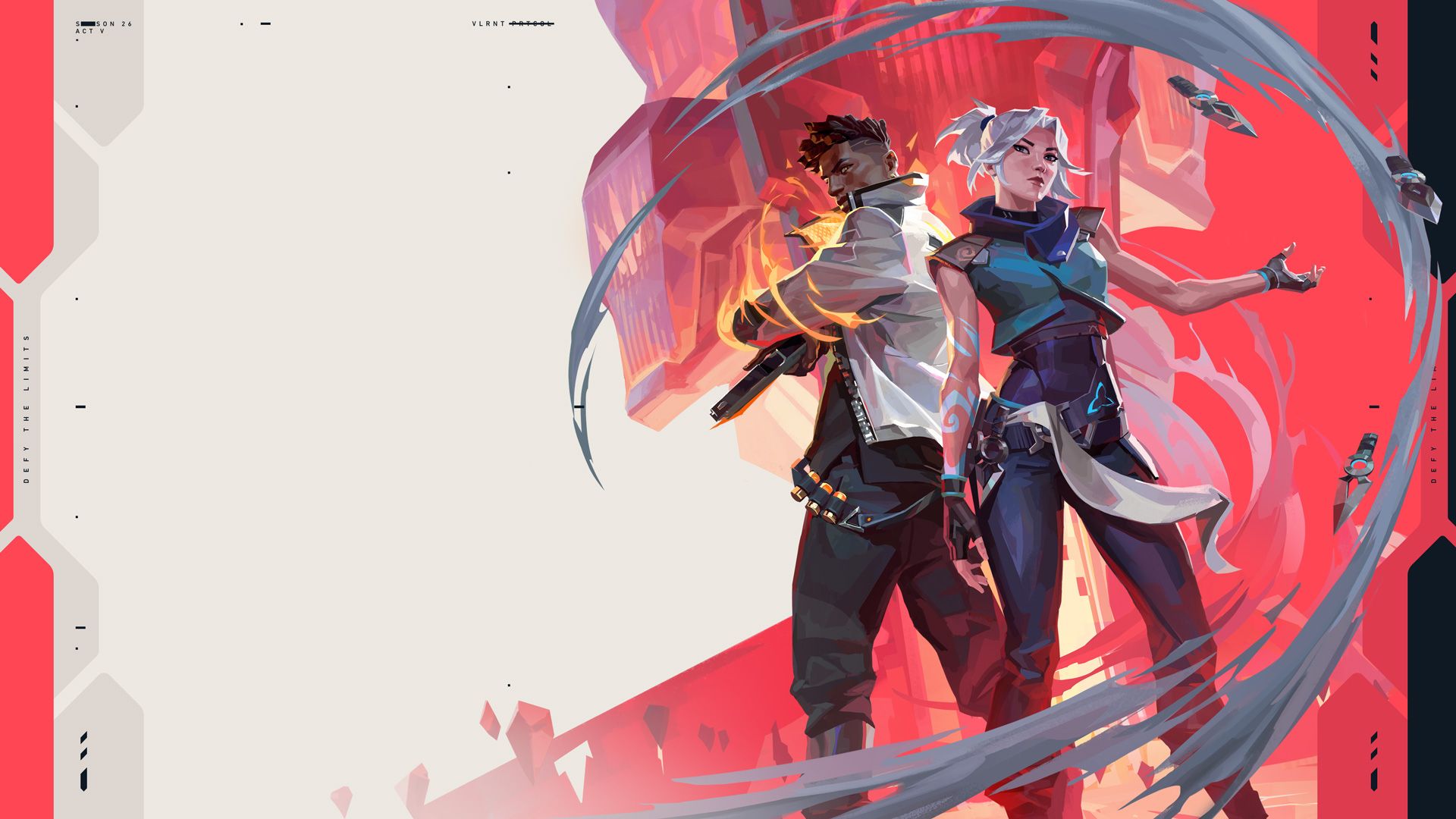
Free-to-play tactical shooter from Riot Games launched in 2020. Mixes Counter-Strike's millimeter-accurate gunplay with per-agent ability kits, 5v5 format with round-by-round economy, and tier-1 esports through the Valorant Champions Tour (VCT). Available on PC and consoles.
Tools
17Match History
3


Coaching & Analysis
2
Pro & Esports
3

Aim Training
2

Crosshair & Settings
2
Lineups & Callouts
2Inventory & Skins
1


Comparisons
4Aim LabvsKovaaK's
Aim Lab if you're just starting with aim training: it's free, runs on Steam, Epic, and consoles, and has friendlier onboarding with Valorant-calibrated presets. KovaaK's once you have a base (50-100 hours) and want depth: a huge community-made library, Voltaic benchmarks, and pro-designed routines, in exchange for a ~$10 one-time price and Windows-only support.
Blitz.gg ValorantvsTracker.gg Valorant
Blitz.gg for real-time info during the match: its desktop overlay surfaces picks, tier lists, and lobby stats in agent select without alt-tabbing. Tracker.gg for post-match analysis in the browser: deep match history, win rate by agent and map, and percentile comparisons against your rank. They tend to pair up: one covers the moment of playing, the other the moment of reviewing.
Tracker.gg ValorantvsMobalytics Valorant
Tracker.gg to measure your performance with raw data: win rate by agent, percentiles by rank, deep match history, and opponent lookup. Mobalytics to learn how to play with editorial content: agent guides, per-map lineups, and explained tier lists. One measures what happened; the other teaches you what to do.
VLR.ggvsThe Spike
VLR.gg when you need data: live results, player stats by map and agent, VCT calendar and brackets. The Spike when you want the why: editorial recaps, transfer rumors, and meta analysis written with a clear voice. VLR answers what happened; The Spike explains what it means.
Tool stacks
1Latest news
Creators
5
Flexinja
Recognized Omen main in very high elo. His videos combine gameplay highlights with explanations of smoke timing decisions, controller positioning, and reads that justify non-obvious plays. For players who want to understand the Smokes role in depth — not just lineups but mid-round thinking — he's a solid source.

ProGuides Valorant
Channel dedicated to structured Valorant coaching. ProGuides Valorant produces agent guides, tier lists, patch analysis, and pro interviews (Sentinels Kaplan, etc.). The content has high production value and pedagogical focus — more for players who want to learn formal technique than for pure entertainment.

Sentinels
Official channel of Sentinels (NA org, historically one of VCT's most popular teams with TenZ, Sacy, zekken, johnqt). The channel uploads nearly daily content: reactions to their matches, behind-the-scenes, player content, sketches, and memes. For team fans or VCT Americas followers, it's a mandatory destination. For neutrals, it offers a window into the pro lifestyle and the scene's humor.

tarik
Former CS pro and central figure of Valorant's watch-party scene. Tarik streams VCT with real-time reactions, plays ranked at very high elo, and is the reference for understanding what's happening in the pro scene from someone who knows what to watch for. His YouTube is stream highlights + reactions to key matches.

Zellsis
Sentinels pro player, known for his flex range (Duelist + Initiator + Sentinel) and charismatic stream personality. His YouTube is mostly highlights and skits with the rest of the roster, with occasional own-gameplay coverage explaining decisions. For fans who want to see pro-tier Valorant mixed with genuine team humor, it's one of the more entertaining options.
Resources
Beginner Guides
Essential resources to start Valorant or return after a break
5 resources
Act Coverage
Patch changes, balance, new agents, and current act meta
5 resources
Agent Guides
Per-agent tutorials: kit, synergies, ability lines, and mechanics
5 resources
Maps & Lineups
Map walkthroughs, callouts, and specific utility lineups
5 resources
Ranked Improvement
General coaching, common mistakes, mindset, and climbing the ranks
5 resources
About the game
What Valorant is
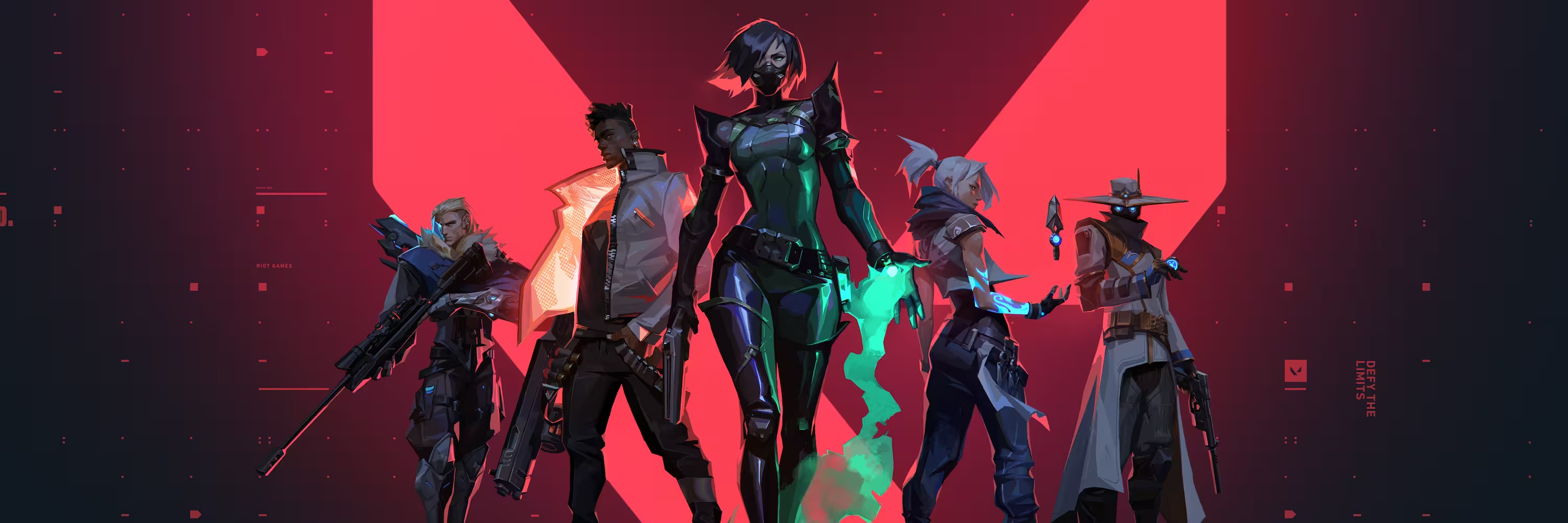
Valorant is Riot Games' tactical FPS. Launched in 2020 after a massive closed beta, free-to-play from day one, with a clear pitch: Counter-Strike-style gunplay — recoil patterns, round economy, positioning matters — combined with per-agent ability kits that open tactical dimensions CS doesn't have (smart smokes, flashes, recall, info abilities).
The format is 5v5 attackers vs defenders on maps with two sites (some three), a spike to plant and defuse, and round-by-round buys that reward economic discipline. The learning curve is brutal — every weapon's recoil, callouts per map, utility lineups — but it's balanced against the most structured ranked competitive system among modern FPS games.
Why Valorant has its own folder
Valorant shares engine and philosophy with CS2 (precision FPS, recoil, economy) but they're different games:
- Per-agent abilities — every agent has 4 unique abilities that fundamentally change map reads. A Cypher with cameras, a Sova with drone and arrows, a Killjoy with turret reframe how to attack and defend a site. CS2 doesn't have this.
- Map pool and rotation — Riot rotates maps per act, removing and reintroducing Bind, Haven, Split, Ascent, etc. with changes. The current pool is always limited.
- More active patches and meta — Riot ships patch notes every 2 weeks with notable balance changes. CS2 is more conservative.
- Closed-system esports — VCT is franchised, partner teams pay for slots. Compared to CS's open tier-1, it's a different ecosystem.
If you played CS and want to try Valorant, much of the aim transfers; abilities require relearning. If you play Valorant and try CS2, the similar gunplay but no-ability meta is shock at first.
The act and episode cycle
Valorant splits the calendar into episodes (yearly) with several acts inside (~2 months each). Each act brings:
- Major patch with balance + possible new agent
- New battle pass
- Partial ranked reset (not full MMR, but visible ranks dip slightly)
- Limited-time events and rotating modes
The tools curated in this codex stay current with each patch — match trackers update stats, pro settings sites reflect pro changes, and lineup tools add new utility when a map rotates back in.
Who this section is for
If you're brand new and want to survive your first hours, beginner guides plus a couple match-history tools to see your progress are the first stop. If you have a few hundred hours and want to optimize, per-map lineups + crosshair/config + aim trainers are where the work happens. If you follow VCT and the competitive scene, vlr.gg + Liquipedia + The Spike give full coverage.
Every tool and resource listed here is specifically curated for Valorant — no generic FPS content, no recycled CS tactics.