What it is
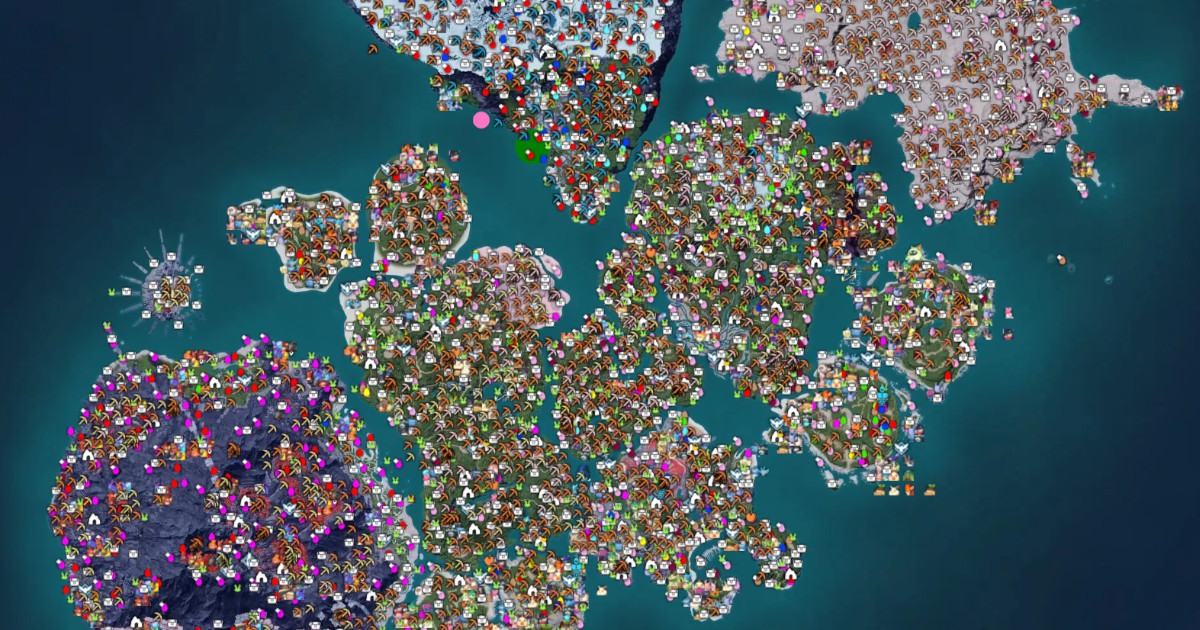
PalDB (paldb.cc) is a community database maintained by dataminers who extract and publish data directly from the game's files. Covers Pals, items, structures, breeding, maps, recipes, drop tables, NPCs, and more, with a focus on exposing complete data rather than a polished visual layer. Free, no login.
What problem it solves
Palworld has plenty of numbers that aren't surfaced in the UI: drop rates by rarity, stat growth curves by level, work suitability multipliers, capture probability mechanics. Most databases hide or simplify them. PalDB exposes them as they come from the game.
How it differs
Compared to Palworld.gg, PalDB is the "technical" version of the same concept. PalDB wins when you need:
- Full drop tables with probabilities.
- Pal stats with growth multipliers.
- NPC, syndicate tower boss, and dungeon reward data.
- Complete version history with auto-detected changelogs.
Palworld.gg wins on polished presentation, faster maps, and friendlier filters. The two complement each other — most serious players have both bookmarked.
What people use it for
- Look up exact mechanics: capture probability by HP%, work suitability multipliers.
- Drop tables for bosses, alphas, and dungeons: to decide if a farm is worth it.
- Raw Pal stats: see HP, defense, and attack growth curves by level.
- Deep crafting recipes: including workbench tier requirements and upgrades.
- Version tracking: what changed between patches, auto-detected.
Who this isn't for
If you're brand new to Palworld and just want to know "where is this Pal", PalDB will overwhelm you — use Palworld.gg. The UI is functional but dense, not built for discovery.
How it's used in practice
- Hit paldb.cc.
- Top nav with categories: Pals, Items, Map, Tech, Effects, Skills, etc.
- Click any entity to expand its full data (stats, drops, breeding, where it spawns).
- For version history, "version" in top nav shows the diff between patches.
Honest limitations
- Dense UI: requires knowing the game's internal naming to extract the most value.
- English only: no translations.
- No tier lists or opinions: by design, it's raw data. If you want recommendations, use another source.
- Straight-from-game data: if Pocketpair has a bug that exposes weird stats, PalDB shows them as-is (not always the intended behavior).
How to get started
Open paldb.cc, no signup. If you're coming from Palworld.gg, the learning curve is ~10 minutes to grok the layout. Worth bookmarking both and reaching for PalDB when a specific question doesn't land in the friendlier database.
Alternatives to PalDB
If PalDB isn't the right fit, these Palworld tools cover similar needs.
More Reference tools
4
Palworld.gg
📚Reference
The most comprehensive community Palworld database