Dota 2 · Valve · 2013
Dota 2
The deepest MOBA: 124 heroes unlocked, brutal complexity, $40M TI prize pool
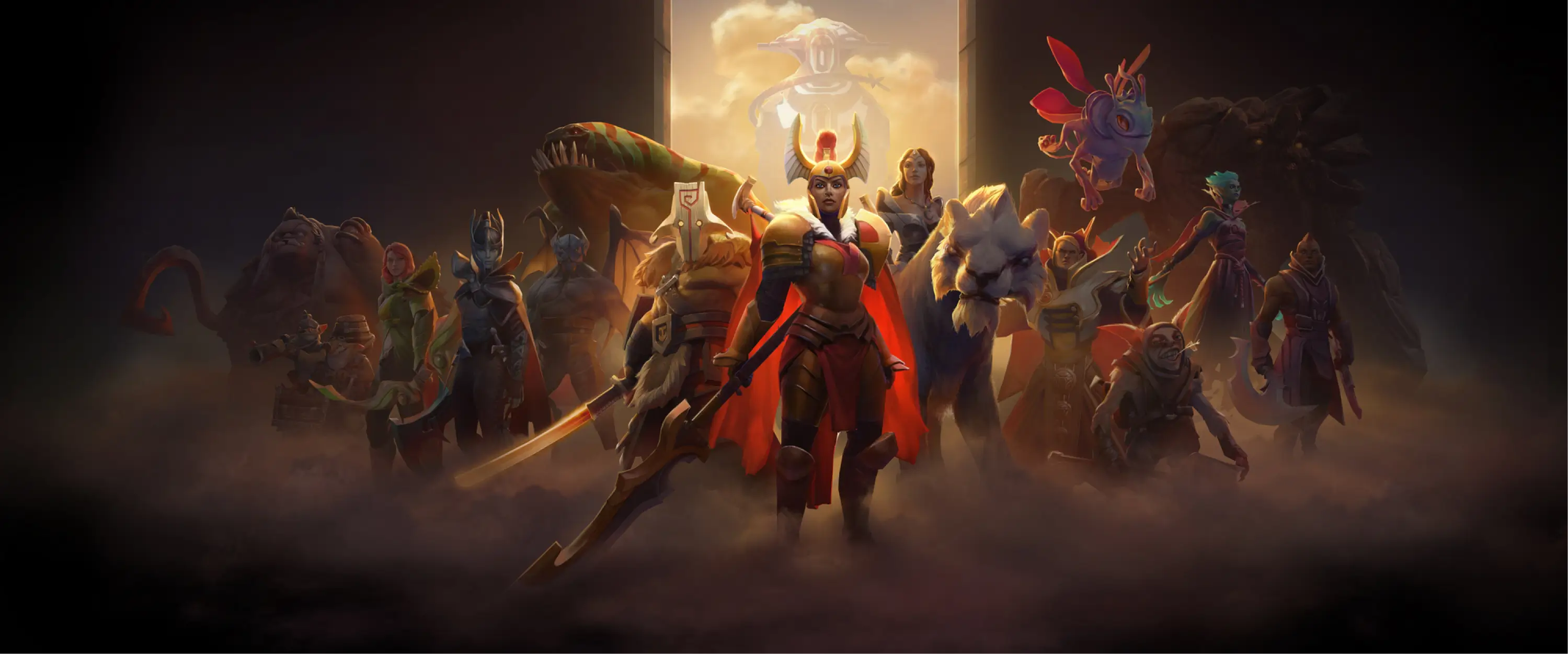
Free-to-play 5v5 MOBA developed by Valve since 2013, the genre's deepest competitive game with every hero free from day one and the largest prize pools in esports history.
Tools
15Match history
3

Meta analysis
1
Hero builds & guides
1
Coaching & improvement
1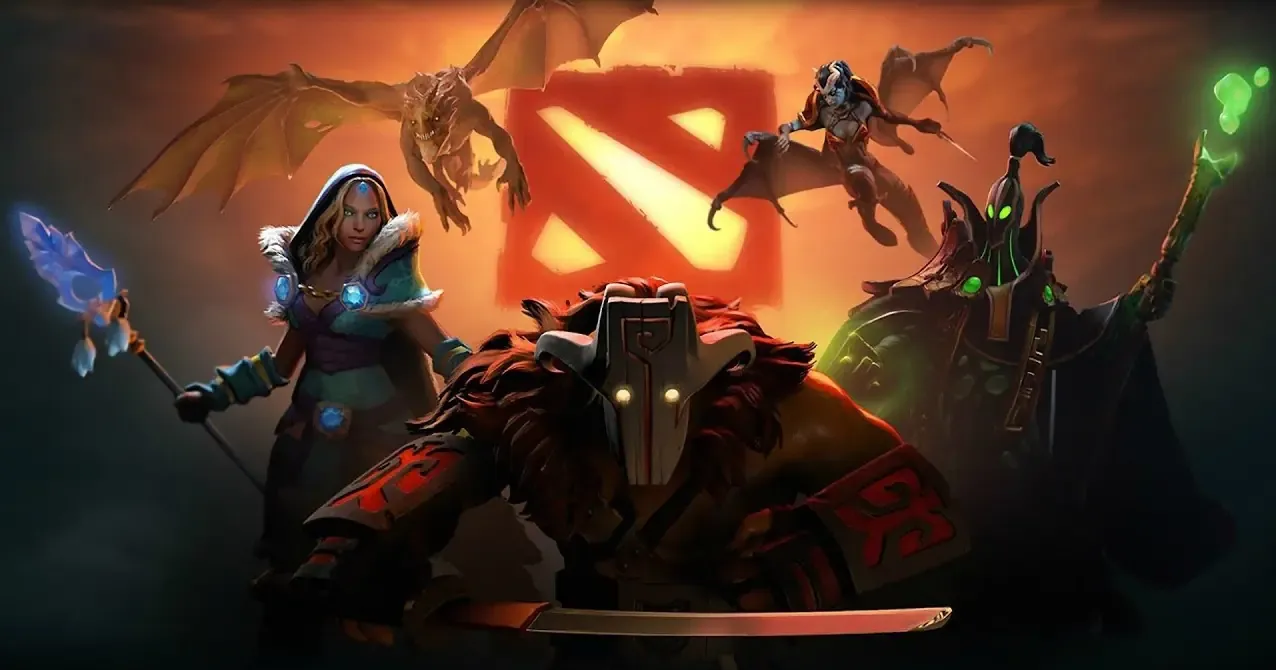
Draft analysis
1


Esports stats & database
2

Replay analysis
1Wiki & reference
1


Comparisons
3Dota2ProTrackervsDOTAFire
Dota2ProTracker for the what of the current meta: top items and skill orders pulled from 7000+ MMR and pro matches, ready to check in 30 seconds before queuing. DOTAFire for the why: long-form community-written guides that explain the strategic reasoning behind each decision. Ideally use both: learn fundamentals on DOTAFire and validate current builds on D2PT.
DotabuffvsSTRATZ
Dotabuff for quick lookup, champ-select scouting, and the broadest dataset in the ecosystem with a familiar UI. STRATZ when you want interpretive insights, personalized dashboards, AI predictions, and a native mobile app. Both are free web apps with a ~$3.50/month Plus tier, so many committed players end up using both.
OpenDotavsSTRATZ
OpenDota when you want raw, auditable, queryable data: deep replay parsing, the SQL Explorer, and the API almost every Dota 2 tool eventually integrates with. STRATZ when you want the data to tell you what to improve: personalized dashboard, AI predictions, and a native mobile app. The first is the builder's pick; the second, the player who wants feedback with modern UX.
Tool stacks
1Latest news
Creators
5
BananaSlamJamma
American ex-pro (carry/mid) turned streamer and educational Dota 2 creator. BSJ became known for his "smurf" series where he queues in 3K-4K MMR lobbies explaining decisions in real time, showing the mental process behind each move. His YouTube has hundreds of hero spotlights updated to current meta and his Twitch is reference for commented high-MMR gameplay in English. For intermediate and advanced players wanting to understand the why behind decisions, BSJ is default.

Chuwaca
Spanish-speaking creator based in LATAM dedicated to Dota 2: guides, gameplays, analysis, and opinions on the game. Active coverage of current meta with tone close to the Spanish-speaking community. For Latin American players looking for Spanish content with regional perspective (SA servers, LATAM scene), Chuwaca is an accessible and consistent reference.

PurgeGamers
American creator with almost exclusive editorial focus on beginner-accessible educational content. His series "Welcome to Dota, You Suck" is historical reference for new players: explains from last-hitting to advanced concepts with clear pedagogical tone and no ego. If BSJ targets intermediate players wanting to improve, Purge targets new players wanting to understand the game from zero. His long-form approach (30-60 min videos) and calm voice distinguish him from the faster content of current ecosystem.

SpeeedDota
American creator focused almost exclusively on Dota 2 patch coverage and meta guides. His videos with the "NEW PATCH X.XX FULL CHANGES" title pattern are immediate reference every time Valve publishes a major patch: complete breakdown of hero, item, and mechanic changes with meta impact analysis. Also covers tier lists, broken builds, and current hero combos. For players who want to stay updated with each patch without reading raw change-logs, Speeed is default.

Viciuslab
Spanish channel dedicated to Dota 2 with hero guides, commented gameplays from top players, and tournament coverage. One of the few active Spanish-language references with consistent production and pedagogical focus. For Spanish speakers preferring content in their language without losing technical quality, Viciuslab is the first stop of the Spanish Dota 2 ecosystem.
Resources
Beginner guides
Entry resources for new players: roles, basic mechanics, first heroes.
5 resources
Hero guides
Hero-specific guides: matchups, combos, builds, and advanced tips.
5 resources
Patch coverage
Analysis of balance changes, items, heroes, and meta shifts in each patch.
5 resources
Esports coverage
TI, DPC, regional leagues, and majors: analysis, predictions, recaps, and interviews.
5 resources
Ranked improvement
Resources for climbing MMR: macro game, mindset, climbing strategies, and match reviews.
5 resources
About the game
What it is
Dota 2 is a MOBA (Multiplayer Online Battle Arena) developed and published by Valve, launched in 2013 as the official sequel to the original Defense of the Ancients (DotA), the Warcraft III custom map that effectively created the genre. After more than a decade in operation, it remains one of the deepest, most demanding competitive games in the industry and one of the pillars of global esports alongside League of Legends and Counter-Strike.
The game pits two teams of five players, each controlling one hero out of 124 available. The objective is to destroy the enemy Ancient — a structure in the opposing base — by pushing through three lanes defended by towers, barracks, and the enemy team. Each match lasts 30-50 minutes on average and starts from level 1 with no items: progression is built within the match through last-hitting creeps, kills, map objectives (Roshan, runes, Outposts), and lane rotations.
What separates Dota 2 from other MOBAs is the combination of total roster availability (every hero unlocked from day one, no progression gating), absolute mechanical depth (denying creeps, hero turn rates, height advantage, courier management), and a balance philosophy that rarely simplifies. Valve does not gradually water down the game's complexity to chase mass audience; if anything, recent patches keep adding systems (Outposts, Aghanim's Shards, neutral items, Tormentors).
Main features
Free-to-play with the entire roster from day one: every hero is available without paying or grinding. There is no in-game currency to unlock characters, no rotation, no behind-a-paywall gameplay. Monetization is exclusively cosmetic: item sets, terrains, announcer packs, and the optional Dota Plus subscription that adds personal stats and contextual suggestions but does not affect the game's balance.
Roster of 124 heroes: the broadest in the modern MOBA genre. Each hero has unique mechanics, distinct attributes (Strength, Agility, Intelligence, Universal), 4-5 abilities, and at least one Aghanim's Scepter and one Aghanim's Shard upgrade that modify gameplay further. The mechanical complexity per hero is significantly higher than in other MOBAs: Invoker has ten castable spells via combinations of Quas, Wex, and Exort orbs.
Mechanical depth: Dota 2 retains mechanics that other MOBAs simplified or eliminated. Denying allies' creeps to deprive the enemy of gold and XP, courier management for item delivery, height advantage that affects miss chance, turn rates that punish slow reactions, neutral items dropped by jungle creeps from minute 7. These layers of complexity are not optional — they form part of the basic competitive game.
Patches with massive scope: Valve releases patches less frequently than Riot but with much broader changes. A 7.40 patch can introduce new neutral items, modify base attributes for entire categories of heroes, rework specific abilities, and add map systems. The meta is not adjusted incrementally — it gets reshuffled.
Diverse game modes: All Pick (default), Captain's Mode (competitive draft), Turbo (faster mode), Ability Draft, and several limited modes. Ranked is divided by role queue (carry, mid, offlane, soft support, hard support) with separate MMR per role.
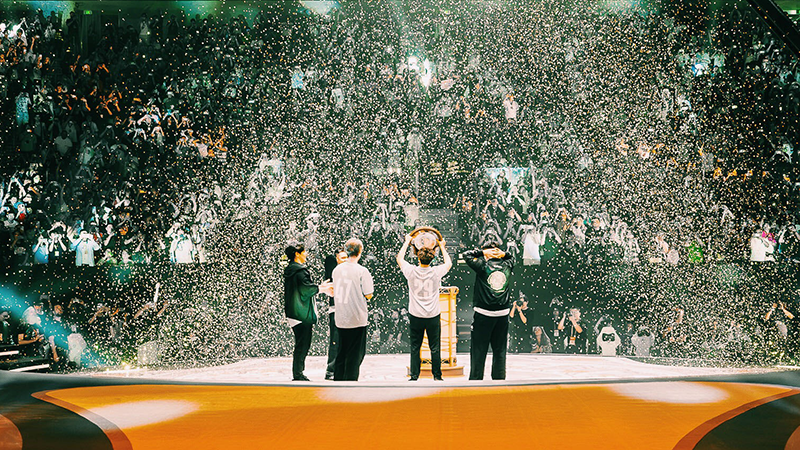
Top-tier esports: Dota 2 is famous for The International, the annual world championship that has historically featured the largest prize pool in esports history (over $40M USD in 2021). The Dota Pro Circuit (DPC) was the year-round structure with regional leagues feeding into Majors and TI. The current scene mixes Valve-organized events with third-party tournaments (ESL One, Riyadh Masters, BetBoom Dacha).
The tool ecosystem
Dota 2 has one of the most mature gaming tool ecosystems, partially because of:
Open public data: Valve provides a free public API and the replay file for every public match is downloadable. This level of openness is unusual and enabled tools like OpenDota (fully open-source) to flourish.
Massive match volume: with millions of daily matches, statistical depth is enormous: hero win rate by MMR bracket, by patch, by lane, by matchup against any other hero, by item-build combination.
Hardcore competitive culture: the average Dota 2 player tends to be more committed than the average MOBA player — partially due to the entry barrier, partially due to the nature of the game. That builds active demand for advanced tools.
Robust pro scene: the professional infrastructure (analysts, coaches, scouts) drives data-tracking tools, replay parsers, and esports databases of considerable quality.
The most common tool types in Dota 2 are:
Match history and personal performance trackers (Dotabuff, OpenDota, STRATZ).
Aggregated meta trackers from high MMR and pro matches (Dota2ProTracker).
Community hero guides (DOTAFire, Steam Workshop).
Coaching apps with overlays during matches (Dota Coach, DotaPlus by Overwolf).
Counter-pick and draft tools.
Pro scene statistics databases (datdota, Liquipedia).
Replay viewers and parsers (DOTA 2 Replay Manager, OpenDota's Manta).
Who this game is for
Good for: players who enjoy mechanical and strategic depth, MOBA fans coming from LoL or HotS who want a more demanding game, people who appreciate radical balance philosophies (Valve does not over-simplify), audiences interested in esports with massive prize pools, players who value zero-pay-to-win and ethical monetization, those willing to invest 100+ hours just to learn basic mechanics.
Not the best option for: casual players looking for short matches (the average is 35-45 min and you can't surrender before minute 30), people who get frustrated easily with steep learning curves (Dota 2's curve is famously the steepest in the MOBA genre), gamers who prefer clean visual presentation (the UI is functional but dense, not designed to seduce new audiences), audiences expecting incremental cosmetic monetization (the model is older and less aggressive than current standards).
The importance of meta and patches
Dota 2 is a game where meta moves in major waves rather than small adjustments. Valve releases patches less frequently than Riot — typically 4-6 large patches per year plus smaller balance hotfixes. But each major patch (e.g. 7.40) tends to be transformative: new neutral items, base attribute changes, ability reworks, and entirely new map systems.
This means staying meta-aware is less about reading change-logs every two weeks and more about understanding how the meta has evolved across the last three patches. Tools like Dota2ProTracker, STRATZ, and Liquipedia document this evolution exhaustively.
The pro meta vs. solo queue meta gap is real: heroes that dominate at TI may be useless in 4K MMR pubs because they require coordination that solo queue cannot reliably deliver. The reverse is also true — pub stomping heroes (Pudge, Sniper) are nearly absent in pro games.
Learning curve
Dota 2 has earned its reputation for having the steepest learning curve in the genre. Main components:
Basic mechanics (first 100-200 hours): learning what each ability does for 124 heroes (even if you only play five), how to last-hit creeps reliably, basic concepts of denying, courier management, runes, and tower behavior.
Map awareness (200-500 hours): vision (wards, dewarding, the day/night cycle), Roshan timing, lane rotations, jungle stacking, neutral item drops, Outpost control.
Decision making (500+ hours): when to fight, when to farm, when to push, when to defend, draft adaptation by patch, item flexibility based on enemy composition.
Hero-specific mastery: each hero requires individual time. "Mains" tend to specialize in 2-3 heroes per role.
Patch awareness: reading patch notes seriously, understanding which heroes were buffed/nerfed and why.
For a serious beginner, the first 100-200 hours is significant investment with intense frustration. Tools like Dota Coach or DotaPlus by Overwolf accelerate this learning by surfacing tips and item suggestions in real time, but the curve is what it is.
Why it remains relevant
More than 12 years after its launch, Dota 2 maintains relevance for:
Mature, demanding gameplay: for players who already left LoL or HotS looking for more depth, Dota 2 is the natural destination. The community recognizes that a competent Dota 2 player has skills not found in any other MOBA.
The International and esports: Valve's annual world championship has been one of the cornerstones of professional esports for over a decade. Even with prize pool reductions vs. the historical peak, TI remains an event that captures global attention.
Ethical free-to-play: in an era of increasingly aggressive monetization, Dota 2's model (zero pay-to-win, full roster from day one, optional cosmetics) remains a reference point. New players can compete on equal footing without paying anything.
Active patches: Valve continues to invest in the game with significant patches that change the meta and introduce new systems. While the cadence is slower than Riot's, each patch tends to have bigger impact.
Veteran community: the Dota 2 community is known for being more critical and demanding than the average online game community. That can be intimidating for newcomers, but it also indicates the level of engagement.
For someone considering entering Dota 2 in 2026, the ecosystem is mature, the tools are robust, and the educational content is abundant. The learning curve is steep, but the available resources to overcome it have never been better.