OSRS · Jagex · 2013
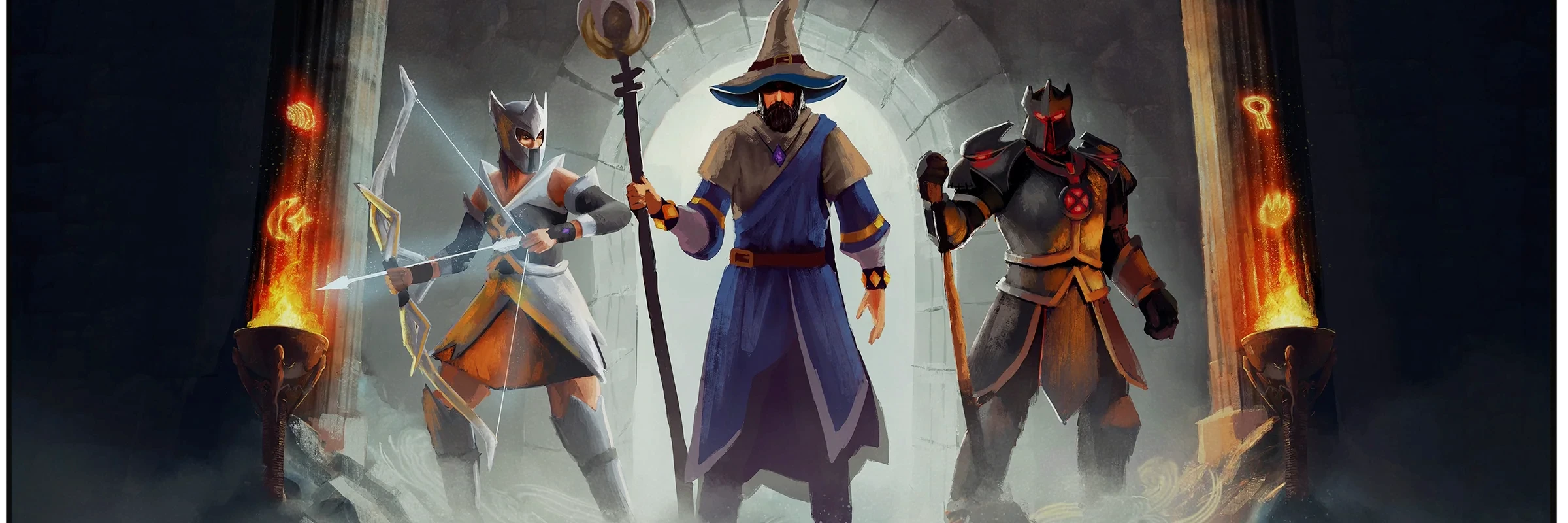
Old School RuneScape
The 2007 retro MMORPG: endless progression, shaped by its community
Jagex MMORPG launched in 2013 from an August 2007 backup of RuneScape. A player-driven economy, 23 skills, hundreds of quests, and an ever-expanding bossing endgame, with every major change put to a community vote.
Tools
15


XP & progress tracking
3


Combat & gear calculators
3

Economy & flipping
3




Comparisons
8GE TrackervsOSRS Exchange
Both are flipping-oriented trackers with live Grand Exchange prices. GE Tracker has more features (alerts, watchlists, calculators with GE tax, mobile app) but is freemium: the advanced stuff is behind GE Tracker Gold. OSRS Exchange is a free, lighter flip finder with no paywall. A high-volume flipper willing to pay the sub, GE Tracker; a casual or budget flipper who won't pay, OSRS Exchange.
GE TrackervsOSRS Wiki Real-time Prices
GE Tracker is a full flipping suite with alerts, margin calculators that account for GE tax, watchlists, and a mobile app, but the advanced features sit behind the GE Tracker Gold subscription. Wiki Prices is Weirdgloop's free, open, authoritative real-time price feed — the same source GE Tracker pulls from underneath. If you want flipping tooling and will pay the sub, GE Tracker; if you just want an item's price for free from the canonical source, Wiki Prices.
OSRS Wiki DPS CalculatorvsGearScape
OSRS Wiki DPS Calc is the canonical calculator: open-source, maintained by Weirdgloop, and running the same combat math the whole community trusts. You build the loadout and it scores it precisely. GearScape goes a step further: on top of calculating DPS, it searches for the best setup against an NPC based on your budget, stats and style. For precision and full trust, Wiki DPS Calc; to be told what to wear against a boss on a given budget, GearScape.
OSRS Wiki DPS CalculatorvsOSRS Best in Slot
OSRS Wiki DPS Calc is the canonical calculator: open-source, wiki math the community trusts, full manual control and no account needed. OSRS Best in Slot is the lowest-friction one: load your RSN from the hiscores, it auto-equips the BiS and compares all three styles instantly, great for beginners though less authoritative and ad-supported. For precision and control, Wiki DPS Calc; for speed and beginner convenience, OSRS Best in Slot.
RuneLitevsHDOS
RuneLite if you want the de facto standard: 1,000+ plugins, deep quality-of-life, Quest Helper, tile markers, and account tracking. HDOS if graphics and performance are the priority: native HD, greater view distance, and higher FPS than RuneLite running the 117HD plugin. They're not mutually exclusive; many players keep both installed and switch depending on the session.
TempleOSRSvsCrystal Math Labs
TEMPLE OSRS if you want data density with modern features: collection log tracking, drop logs, and actively maintained EHP/EHB rates. Crystal Math Labs if you value historical depth and the EHP lineage — it's the original tracker that invented the concept and holds the longest-reaching record. Both are for power users; you're choosing between maintained features or deep history.
Wise Old ManvsCrystal Math Labs
Wise Old Man if you want the modern, actively maintained tracker: clean UI, RuneLite plugin, Discord bot, and clan competitions. Crystal Math Labs if you value the deepest historical record in the game — it's the original tracker that invented EHP — even if its UI is dated. New users go to WOM; EHP purists and long-history accounts go to CML.
Wise Old ManvsTempleOSRS
Wise Old Man if you want the modern default tracker: clean UI, a RuneLite plugin and Discord bot that auto-update stats, Skill/Boss of the Week competitions, and frictionless clan tracking. TEMPLE OSRS if you're a power user who wants the deepest data: actively maintained EHP/EHB rates, drop logs, and collection log tracking that WOM doesn't cover.
Tool stacks
1Latest news
Creators
5
FlippingOldschool
The creator who dominates the economy niche in OSRS. Known as TraderSteve, his central project is maxing an account by making money exclusively through Grand Exchange flipping, documented in consistent uploads of several videos per week. Beyond the series, his guides teach the fundamentals of flipping and merching: how to read margins, which items to move, how to scale capital. If the question is "how do I make gold without grinding content," FlippingOldschool is the reference.
J1mmy
The entertainment side of OSRS, with documentary-level production. J1mmy is known for his humor and editing, which keep the viewer hooked even through the longest grinds. His series and long-form videos —account challenges, game explorations, documentaries about the scale of RuneScape— turn the OSRS experience into something digestible and fun even for someone who doesn't play. It's not a guides channel: it's the one you watch to fall in love with the game or laugh at it.
Kaoz OSRS
A generalist OSRS guide creator with very frequent uploads and a huge catalog covering all three faces of the game: money making, skilling, and bossing. He's known for his massive index videos —"175 money-making methods," the yearly "bossing ladder," the best AFK method per skill— that work as a quick reference when you don't know what to do next. His value is breadth and constant updating: when the meta shifts, Kaoz usually has a video the next day.
Mr Mammal
The OSRS creator for relaxed-pace content. Mr Mammal is known for his clue scrolls, his long-running Ironman series (like his "Farmers" saga), and a laid-back style that works both as a guide and as background company. He doesn't chase maximum optimization or endgame hype: he shows the collector's and explorer's side of the game, the one that enjoys the process. For the player looking for OSRS content without the intensity of PvM tryharding, he's one of the most beloved voices.

Theoatrix OSRS
The reference creator for skilling and efficiency in OSRS. His 1-99 guides per skill, his "what to do at each level" videos, and his account-progression routes are mandatory reference material for anyone who wants to train optimally without wasting hours. His style is calm, structured, and data-driven: no hype, just the most efficient method explained clearly. For a new or mid-level player wondering "what do I train now," Theoatrix is the first stop.
Resources
Beginner guides
Where to start: new account, first quests, what to train first, and common mistakes.
5 resources
Money making
Gold-per-hour methods for every account level: AFK, intensive, F2P, and high-risk.
5 resources
Skilling guides
Efficient training routes per skill: fast vs cheap, AFK methods, and XP per hour.
5 resources
Bossing guides
PvM from start to finish: gear progression, mechanics, methods, and beginner guides for each boss.
5 resources
Quest guides
Quest walkthroughs, the optimal quest route, and the game's big questing milestones.
5 resources
About the game
What it is
Old School RuneScape (OSRS) is a point-and-click MMORPG developed and operated by Jagex. It launched on February 22, 2013, restoring an August 2007 backup of the RuneScape client after the community asked to return to the version that predated the 2012 combat rework. What began as an act of nostalgia became the main RuneScape: today it has more active players than its modern counterpart and receives new content continuously.
The game runs on PC (Windows, macOS, Linux) and mobile (iOS, Android) with the same account and the same world. It's free-to-play with a genuine free tier and a monthly membership that unlocks the bulk of the content. Its most distinctive trait is the polling system: any significant change —a new skill, a boss, a balance tweak— needs 70% community approval to enter the game. That makes OSRS an MMO designed in large part by its own players.
Why it matters
OSRS is one of the most long-lived and healthy MMORPGs on the market, and that's no accident. Progression is horizontal and nearly endless: 23 skills that take you from level 1 to 99 (and to 200 million XP for the most obsessive), hundreds of quests with real narrative, and a PvM endgame —Chambers of Xeric, Theatre of Blood, Tombs of Amascut, solo bosses like Vorkath or Zulrah— that rewards knowledge of mechanics over raw gear.
The economy is the other pillar. Everything —resources, consumables, endgame gear— flows through the Grand Exchange and player-to-player trade. Prices move with real supply and demand, which turns money making into a metagame of its own: from low-risk AFK methods to high-capital flipping. Gold has value because the community gives it value.
It's also a game deliberately without a modern tutorial. OSRS doesn't hold your hand: it won't mark where to go on the map or explain the efficient skilling route. That very friction is what opened the door to one of the richest third-party tool ecosystems in all of gaming.
The tool ecosystem
Few games depend on external resources as much as OSRS, and few have ones this good. The OSRS Wiki is the canonical reference: nearly every decision —what a boss drops, how to finish a quest, the cheapest XP route— runs through it. RuneLite, the open-source client approved by Jagex, is so central that most of the community wouldn't consider playing without it: its 1,000-plus plugins add quality-of-life the official client lacks.
Orbiting those two pillars is everything else: XP and efficiency trackers (Wise Old Man, TempleOSRS, Crystal Math Labs) that turn your progress into comparable stats; DPS and best-in-slot calculators that settle which loadout to bring to each boss; and economy tools that read live Grand Exchange prices to flip or decide what's worth farming.
This codex organizes that ecosystem: the tools the community actually uses, with honest analysis of when each one is the right call, head-to-head comparisons between the ones that compete, and the creators and resources that teach you to use them.