PoE · Grinding Gear Games · 2013
Path of Exile
The deepest and most complex ARPG on the market
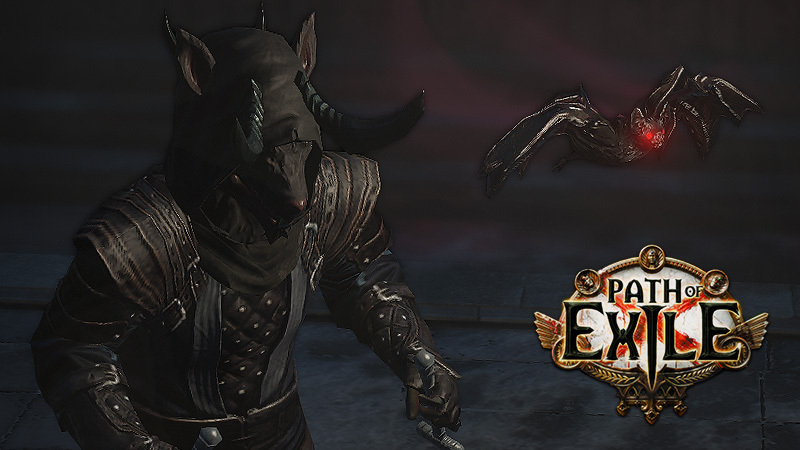
Free-to-play ARPG by Grinding Gear Games with massive customization, player-driven economy, and leagues that refresh the game every few months.
Tools
19Build Planning
1
Trading
4

Crafting
1
Atlas & Maps
1
Loot Filters
2
Economy
2

Leveling
2

Reference
6




Comparisons
7Awakened PoE TradevsPath of Exile Trade
Awakened PoE Trade for fast in-game price checking via hotkeys. The official site for zero install, advanced filters with live search, and reviewing the market from any device.
Exilence CEvspoe.ninja
poe.ninja for full market data (prices, popular builds, trends). Exilence CE for tracking your personal portfolio: net worth, profit per hour, aggregated stash tab value.
FilterBladevsPoE Filter
FilterBlade if you want the most complete and maintained filter (NeverSink's) with advanced tier strictness. PoE Filter if you prefer minimalism and a look that respects PoE's original visual aesthetic without heavy hiding and coloring.
MaxrollvsPath of Exile Wiki
Maxroll for editorial build guides written by top players, especially for league starts. PoE Wiki for understanding mechanics, reading lore, and looking up encyclopedic info on items, monsters, and systems.
Path of Building CommunityvsPoEPlanner
Path of Building if you need exact DPS, deep simulation, and serious build work. PoEPlanner if you want a fast, shareable web tool — especially for atlas tree planning, where it's the dominant option.
Path of Exile TradevsThe Forbidden Trove
The official site for trading individual items via direct search. TFT (Discord) for everything else: bulk currency, services, carries, mirror crafts, and specialized trades the official site doesn't cover well.
Path of Exile WikivsPoEDB
PoE Wiki when you want to understand something: readable articles, lore, mechanics explained step by step. PoEDB when you want exact data: mod tiers, drop tables, monster stats — everything datamined straight from the client.
Tool stacks
1Latest news
Creators
5
Big Ducks
American Path of Exile creator active since 2016, with nearly a decade dedicated to the game. Known for content on currency farming, optimization, and guides accessible to both beginners and advanced players. Combines edited videos with daily Twitch streams, covering everything from league starts to advanced farming strategies. His direct style focused on in-game efficiency makes him particularly popular among players seeking to maximize their time.

KroximatuZ
Argentine creator and reference for Spanish-language Path of Exile content. Active since 2019, his channel mainly covers PoE with an educational approach, particularly strong at explaining each new league's mechanics. He combines edited videos with streams on Twitch and Kick, maintaining one of the few consistent sources of PoE content in Spanish.

Pohx
German creator recognized as the reference for Righteous Fire and bossing builds in general. His strong niche is turning archetypes that seem 'not viable for boss kills' into end-game-capable builds, with written guides paralleling the videos. For players entering a league wanting to kill bosses without fighting the game's math, Pohx is an obvious starting point.

Talkative Tri
Creator focused on Path of Exile discussion and news rather than builds or farming. His channel description — 'I talk about games like Path of Exile 2' — captures the format well: long videos analyzing GGG announcements, design decisions, controversies, and dev interviews. For players who want to stay current with the ecosystem without filtering Reddit and Discord, Tri works as an editorialized digest.

Zizaran
One of the most respected and veteran Path of Exile creators. His content ranges from build guides and deep league mechanics analysis to organizing massive community events like the Gauntlet Races. His educational approach makes him especially accessible to intermediate players looking to improve.
Resources
Beginner Guides
Essential resources to start playing PoE
5 resources
League Mechanics
Videos explaining each league's mechanics
5 resources
Build Guides
Featured builds and archetype recommendations
5 resources
Trading Guides
How to master trading and maximize profits
5 resources
Boss Guides
Endgame boss strategies and mechanics
5 resources
About the game
What is Path of Exile
Path of Exile is a free-to-play ARPG (action RPG) developed by Grinding Gear Games, released in 2013. A spiritual successor to Diablo II, it has become a benchmark in the genre thanks to its mechanical depth, its passive skill tree with over 1,300 nodes, and a crafting and trading system where the economy is driven by players themselves.
It's free-to-play without pay-to-win: microtransactions are purely cosmetic and quality-of-life like extra stash tabs.
Why it has so many tools
PoE is famous for its steep learning curve. The game has hundreds of unique items, thousands of modifiers, dozens of mechanics that interact with each other, and a damage and defense system that requires deep understanding to optimize endgame builds.
This complexity has spawned a massive ecosystem of community-built tools. DPS calculators, crafting simulators, Atlas planners, trading overlays, loot filters — PoE culture is about building tools to solve what the game doesn't show directly.
For many players, tools like Path of Building aren't optional: they're a fundamental part of how the game is played.
The league system
Every 3-4 months, GGG launches a new league: a season with new mechanics, new items, and sometimes fundamental changes to existing systems. Characters start from scratch each league, keeping the economy fresh and forcing players to adapt.
This constant cycle is part of the game's appeal, but it also means tools and guides need updates league by league. A guide from a year ago can be completely outdated today.
Who this section is for
If you're starting with PoE, we recommend beginning with the beginner guides section and basic tools like loot filters.
If you've been playing for a while, you'll find value in advanced build planning, crafting, and Atlas optimization tools.
Each listed tool includes honest analysis: who it's useful for, what problem it solves, and limitations worth knowing.