
Rust · Facepunch Studios · 2018
Rust
Brutal survival PvP: you wake up with a rock and the whole server wants you dead
Facepunch's hardcore multiplayer survival where you build bases, raid others, and fight over every barrel on a map that wipes every month.
Tools
16Reference
3

Maps
2

Servers
2
Modding
3





Comparisons
5BattleMetricsvsJust-Wiped
Just-Wiped to find a fresh wipe fast with no overhead. BattleMetrics when you need tracking, alerts, or remote RCON.
Oxide / uModvsCarbon
Oxide for existing servers or admins wanting maximum historical stability. Carbon for new servers in 2026, critical performance, or if you plan to use paid Codefling plugins.
Rust+vsrustplusplus
Rust+ for individual use with no setup. rustplusplus when you play in a clan and want shared Discord alerts or remote commands via bot.
RustLabvsCorrosion Hour
RustLab for raw data and quick lookups. Corrosion Hour for long-form guides, editorial context, and monthly Devblog breakdowns.
RustMapsvsRustEdit
RustMaps to generate and pick a procedural map fast. RustEdit when you want to hand-design a custom map with custom monuments, puzzles, and modified paths.
Tool stacks
1Latest news
Creators
4
Blooprint
One of the most solid channels for base building tutorials in 2026. Covers from 2x1 starter bases to clan compounds with honeycomb, peek-holes, electricity setups, and raid defenses. Also does community base reviews and raid strategy breakdowns. If you want to learn to build serious bases, Blooprint is the standard entry.

Spoonkid
Pioneer of solo long-form Rust content. Typical videos are 30-60 minutes covering entire wipes or creative challenges (surviving a week in train tunnels, raiding melee-only, never leaving base). Casual style with dry humor, recognizable thumbnails. Influenced a generation of Rust YouTubers who adopted his format.

Welyn
Rust's narrator-Robin Hood. Each video is a long-form heist: he identifies a clan dominating with toxic tactics, builds a plan, infiltrates the base, and raids it with annotation maps and edited storytelling. Not a tutorials channel — it's entertainment with context. If you like watching Rust as a narrative genre rather than tutorials, Welyn is the reference.
Willjum
British creator covering Rust from the friendly clan/group side. Typical videos are wipe recaps with his crew, raid stories with friendly humor, and comedic moments edited without cynicism. He's the editorial opposite of Welyn: Welyn narrates solo-vs-clan, Willjum narrates group-jokes-with-group. Good entry for those who prefer playing with friends over solo.
Resources
Beginner Guides
Essential resources for your first Rust wipe: starting from scratch, first hatchet, first base, and not dying overnight
5 resources
Base Building
Solid base designs by group size, honeycomb layouts, bunkers, and raid-defensive compounds
5 resources
Raid & Defense
How to execute efficient raids, plan C4 and rocket costs, and pull off counter-raids when you have to defend
5 resources
Monuments & PvE
Monument guides, puzzles, Oil Rig, Cargo Ship, helicopters, and optimal loot routes
5 resources
Admin & Mods
Tutorials for hosting your own server, installing Oxide or Carbon, essential plugins, and admin via RCON
5 resources
About the game
What Rust is
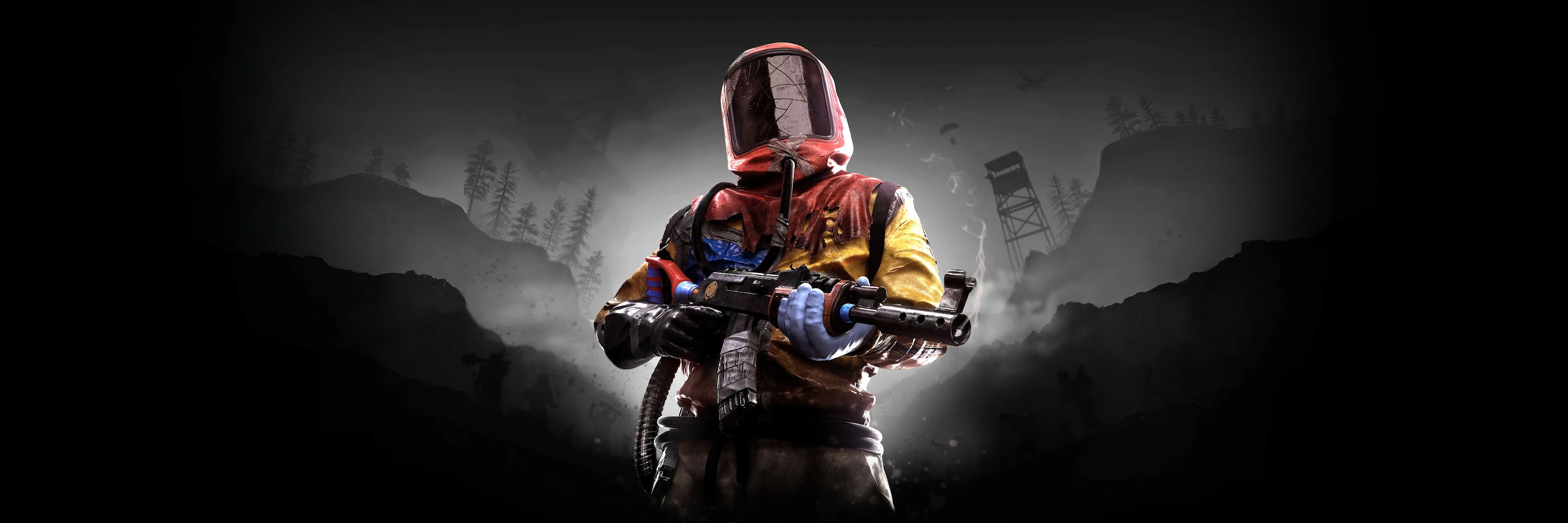
Rust is the hardcore multiplayer survival from Facepunch Studios, officially released in February 2018 after five years of Early Access. The premise sounds simple on paper: you spawn naked on a beach with a rock and a torch, and you have to build, gather, craft, defend yourself, and eventually raid other players to survive. What sets it apart from any other survival is that other players aren't optional: up to 200 people share the same map at once, and most of them will try to kill you for your stuff.
Why it matters
Rust works because it doesn't separate the loops the way other survivals do. All progression is tied to the server: the base you build today is the base that gets raided at 3am while you sleep. The blueprint you learn today lasts until the next force wipe. The AK you craft isn't just an AK, it's the difference between defending your compound or losing the whole wipe.
Three pillars hold it up:
- Survival and crafting: gather wood, stone, metal, and sulfur; craft weapons and armor; manage food/water/temperature.
- Base building: the construction system is one of the deepest in the genre — honeycombing, bunkers, peek-holes, real electricity with switches and timers, defenses with auto-turrets.
- PvP and raiding: hitscan and projectile combat, economic raiding with explosives, planning around C4, rockets, satchel charges. Every raid is calculated in sulfur before it happens.
The monthly force wipe (first Thursday of each month at ~10am UTC) resets the map and blueprints for everyone at once. That's the cycle that keeps Rust alive: each month a new wipe starts, the whole server begins from scratch, the groups that were dominating get reset, and solo players get another shot. That cadence is what separates Rust from persistent-world games like ARK or Valheim.
The state of the game in 2026
Rust still receives monthly updates with a Devblog published on the first Thursday of each month. Facepunch has kept the cadence they promised in 2018 without skipping a month, which for a game with 8 years on the clock is basically unique. Recent big additions include new monuments like the apartment complex that keeps iterating, new weapons for the Game Room DLC, auto-turret workshop support, and the Q4 2024 armored wall rebalance that reshuffled the raid meta.
The game is available on PC (Windows, macOS, Linux) and console (Rust Console Edition for PlayStation and Xbox, developed by Double Eleven). The console version has its own slower update cadence and a separate ecosystem — this codex covers the PC version.
The monetization model is buy-to-play with no pay-to-win: cosmetic skins through the Steam Market and optional DLC packs (Sunburn, Voice Props, Instrument Pack), no battle pass, no in-game shop. Skins are obtained through weekly drops or direct purchase, and the rarest ones (Punishment Mask, Alien Relic SMG) sell for three- and four-figure sums on the Market.
Why a Rust codex
Rust's tool ecosystem is huge and fragmented. There are two modding frameworks competing (Oxide/uMod and Carbon), two plugin marketplaces (uMod free and Codefling paid), multiple raid calculators with opposite interfaces, several community wikis at different update cadences, map generators for server admins, electricity simulators, and an official companion app with a Discord bot ecosystem layered on top. Knowing which tool to use for which problem is the difference between spending 3 hours setting up a server vs. 30 minutes, or between planning a raid well vs. wasting 80 rockets you farmed all day for.
This codex curates the tools that cover Rust's real pain points (planning the next raid, generating a balanced map for the server, finding a fresh wipe to jump into, hosting a modded server without fighting the console) and leaves out the noise of half-baked calculators and abandoned wikis. The idea: you get in, find the piece you need, and get back to the server before you get raided.